
Mount Uhud (Jabal Uhud) — History, Battle of Uhud, Hamza’s Grave & Visiting Guide in Madinah

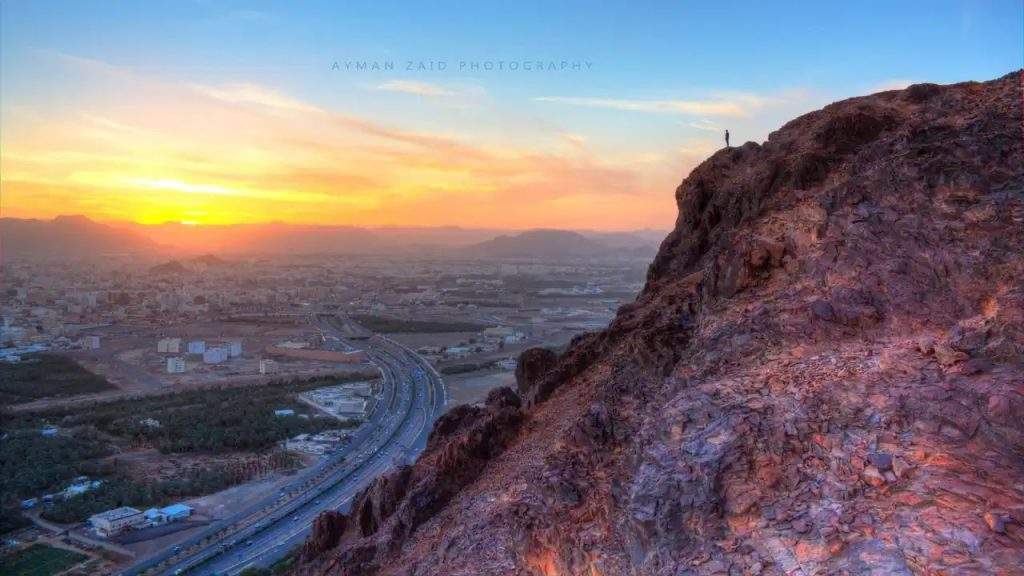
Image: Mount Uhud.
Credit: Ayman Zaid, via
Wikimedia Commons.
License: CC BY-SA 4.0 International.
Rising majestically just north of the illuminated city of Madinah, Mount Uhud (also known as Jabal Uhud or جبل أحد) stands as an eternal sentinel, whispering tales of valor, sacrifice, and profound spiritual lessons. This isn’t just a mountain; it’s a monumental landmark etched into the very fabric of Islamic history, holding a special place in the heart of every Muslim. It was here, in its vast plains and rugged terrain, that the illustrious Battle of Uhud unfolded, a pivotal moment that shaped the nascent Muslim community and offered timeless lessons in faith, obedience, and resilience.
For pilgrims and visitors, a journey to Uhud Mountain Madinah is more than just a historical excursion; it’s a spiritual pilgrimage to a site beloved by the Prophet Muhammad (ﷺ) himself, a place where heroes attained martyrdom, and where divine wisdom was revealed through the trials faced by the early Muslims. This comprehensive guide will take you through its rich history, the epic battle it witnessed, the revered martyrs resting within its shadow, and provide essential tips for your blessed visit.
Quick Facts & Location

GPS Coordinates, Elevation, and Proximity to Madinah
Mount Uhud location is strategically positioned approximately 5 kilometers (about 3 miles) north of Masjid an-Nabawi, making it an easily accessible and essential stop for visitors to Madinah. The mountain range itself stretches for about 7 kilometers (4.3 miles) from east to west, with a width ranging from 2 to 3 kilometers (1.2 to 1.8 miles). Its highest peak reaches an elevation of around 1,077 meters (3,533 feet) above sea level, making it a prominent feature of the Madinah landscape.
For navigation, the approximate GPS coordinates for the main visitor area of Mount Uhud are: 24.5199° N, 39.6105° E. The distance from Prophet’s Mosque to Mount Uhud is a short drive, typically taking 10-15 minutes by car or taxi.
Downloadable Mount Uhud Map (PDF)
To help you navigate and explore the significant landmarks around the mountain, a detailed Mount Uhud map is available for download. This map will highlight key areas such as the Martyrs’ Cemetery, Jabal Ar-Rumah (Archers’ Hill), and other points of interest to enhance your visit. (Link to PDF map will be placed here once available).
The Battle of Uhud — A Pivotal Moment in Islamic History
The name Mount Uhud is inseparable from the momentous Battle of Uhud (غزوة أحد), a significant conflict that forever etched itself into the annals of Islamic history. This epic confrontation took place on the 7th of Shawwal, 3 AH (23rd March 625 CE), approximately one year after the decisive Battle of Badr. It was a day of immense trials, profound lessons, and ultimate triumph of faith.

Image: Battle of Uhud 624 CE Map.
Credit: DrZubairRashid.
Source: Wikimedia Commons.
License: CC BY-SA 4.0 International.
Background and Causes: The Seeds of Conflict
The primary causes of Battle of Uhud stemmed from the desire of the Quraysh of Makkah for revenge after their humiliating defeat at the Battle of Badr. They sought to reclaim their lost prestige, punish the Muslims for their growing influence, and retaliate for the killing of their leaders. A large, well-equipped army of about 3,000 men, including seasoned warriors like Khalid ibn al-Walid (who had not yet embraced Islam), marched towards Madinah, determined to crush the nascent Muslim state. The Muslims, numbering around 700, prepared for a defensive encounter. For a detailed overview of the conflict, refer to the Battle of Uhud on Wikipedia.
The Day of Battle: Troop Dispositions and the Archer’s Role
The Battle of Uhud story is a testament to strategic brilliance and the harsh realities of war. The Prophet Muhammad (ﷺ) meticulously planned the Muslim defenses, positioning the main army in front of Mount Uhud, using the mountain’s natural protection. Crucially, he deployed a contingent of 50 archers on a small hill (later known as Jabal Ar-Rumah, or Archer’s Hill) with strict instructions: “Do not leave your positions, even if you see us snatching the birds with our spears, until I send for you.”

Image: Jabal Ar-Rumah, Battle of Uhud.
Credit: M sh شراونة محمد.
Source: Wikimedia Commons.
License: CC BY-SA 4.0 International.
Initially, the Muslim forces gained the upper hand, pushing back the polytheists. However, the turning point occurred when many archers, believing the battle was over and eager for spoils, abandoned their strategic positions, disregarding the Prophet’s explicit command. This critical error created a vulnerable gap. Khalid ibn al-Walid, with his cavalry, swiftly exploited this weakness, circling around Prophet Muhammad in Uhud and launching a devastating attack on the Muslim rear, dramatically shifting the tide of the battle.
The Aftermath: Lessons Learned and Historical Significance
The immediate aftermath of the Uhud war saw heavy casualties among the Muslims, with over 70 companions attaining martyrdom, including the beloved Hamza ibn Abd al-Muttalib (RA). The Prophet Muhammad (ﷺ) himself was injured. The question of “why did Muslims lose Uhud” (or faced a setback) often points directly to the lesson of obedience and discipline. While not a complete defeat in the conventional sense, it served as a profound divine lesson (Ibtila) about the consequences of disobedience and the importance of unity.
The lessons from Uhud are enduring: it emphasized absolute obedience to leadership, patience in adversity, the dangers of worldly greed, and the ultimate wisdom behind Allah’s decrees, even in apparent setbacks. It refined the character of the Muslim community and prepared them for greater challenges ahead, cementing its place as a cornerstone event in the development of Islam.
Notable Figures & Memorials at Mount Uhud

View of Uhud Martyrs’ Cemetery, reflecting the sacredness of the site and the sacrifice of the companions.
The very soil of Mount Uhud is sanctified by the blood and sacrifice of numerous noble companions who attained martyrdom on its plains. Their stories serve as eternal beacons of faith, courage, and unwavering devotion. Among them stands a figure of immense stature, whose martyrdom profoundly impacted the Prophet Muhammad (ﷺ).
Hamza ibn Abd al-Muttalib (RA) — Sayyid al-Shuhada
Foremost among the martyrs of Uhud is the beloved uncle of the Prophet Muhammad (ﷺ), Hamza ibn Abd al-Muttalib (RA). Known for his immense strength, bravery, and fierce loyalty to Islam, Hamza (RA) was a formidable warrior and a pillar of support for the Prophet (ﷺ). He earned the revered title of “Sayyid al-Shuhada” (Master of the Martyrs) due to his heroic combat and tragic demise during the Battle of Uhud. His martyrdom deeply saddened the Prophet (ﷺ), who held him in great affection and honor. The area believed to be the location of Hamza ibn Abd al-Muttalib grave is a central point of visitation and reflection for pilgrims. For a detailed biography, see Hamza ibn Abd al-Muttalib on Wikipedia.
Other Martyrs of Uhud and the Martyrs’ Cemetery
Beyond Hamza (RA), approximately 70 companions, men of great virtue and sacrifice, fell as martyrs during the Battle of Uhud. These included Mus’ab ibn Umayr (RA), the first ambassador of Islam, and Anas ibn al-Nadr (RA), who bravely charged into battle after seeing the Prophet (ﷺ)’s predicament. Their collective sacrifice underscores the immense price paid for the establishment of Islam.
The area known today as the Uhud Martyrs’ Cemetery (مقبرة شهداء أحد) serves as a solemn memorial to these heroes. Though unmarked by elaborate tombstones, the sacred ground itself is a place of profound significance. Visitors come to offer salutations, make supplications for the martyrs, and reflect on their immense sacrifice and the invaluable lessons derived from their lives and deaths. It is a powerful reminder of the transient nature of this world and the eternal reward awaiting those who strive in the path of Allah.
The Cave of Uhud and Other Key Landmarks

The historic Cave of Uhud, where Prophet Muhammad ﷺ sought refuge after being injured in the battle.
Beyond the vast expanse of the battlefield and the Martyrs’ Cemetery, the area surrounding Mount Uhud is dotted with several other significant Uhud landmarks, each telling a part of the epic story of the Battle of Uhud and the resilience of the early Muslim community. These sites offer visitors deeper insights into the strategic and personal moments of that pivotal day.
Jabal Ar-Rumah (Archers’ Hill) — A Strategic Point
Standing distinctly in front of Mount Uhud is Jabal Ar-Rumah (جبل الرماة), famously known as “Archers’ Hill.” This small, rocky outcrop played a monumental role in the Battle of Uhud. It was upon this hill that the Prophet Muhammad (ﷺ) strategically stationed 50 archers, with explicit instructions not to leave their posts under any circumstances, to protect the Muslim rear flank from the enemy’s cavalry. The subsequent abandonment of this crucial position by most of the archers, in pursuit of spoils, led to the turning point of the battle. Today, “Archers Hill Uhud” serves as a powerful physical reminder of the consequences of disobedience and the vital importance of following instructions, even in moments of perceived victory.
The Cave of Uhud (كهف أحد) — A Place of Refuge
Amidst the rugged terrain of Mount Uhud lies the small Cave of Uhud (كهف أحد). This unassuming cave gained historical significance as the temporary refuge where the Prophet Muhammad (ﷺ) sought shelter after being wounded during the intense fighting of the Battle of Uhud. It was a moment of immense personal trial for the Prophet (ﷺ) and his companions, yet a testament to his steadfastness and divine protection. Visiting the cave offers a poignant reflection on the hardships faced by the Prophet (ﷺ) and his unwavering resolve in the face of adversity.
Masjid al-Fasah (مسجد الفسح) — Prophet’s Prayer Site

View of Masjid al-Fasah, highlighting its serene and historic architecture.
Located in a valley within the Uhud mountain range is Masjid al-Fasah (مسجد الفسح), also known as Masjid Uhud. Historical accounts suggest that the Prophet Muhammad (ﷺ) performed a prayer at this very spot after the Battle of Uhud. While its original structure was simple, the mosque has been renovated and expanded over time. It holds spiritual significance as a place where the Prophet (ﷺ) stood in prayer, making it a revered spot for visitors who wish to follow in his footsteps and offer their own prayers.
Your Practical Guide to Visiting Mount Uhud (Jabal Uhud)

منطقة مواقف وزوار جبل أحد.
Credit: Rabab Khamis.
Source: Wikimedia Commons.
License: CC BY-SA 2.5 Generic.
For pilgrims and history enthusiasts alike, a visit to Mount Uhud is an enriching and essential part of any Madinah itinerary. Engaging in “Uhud ziyarat guide” isn’t merely about witnessing historical sites; it’s about connecting with profound spiritual lessons and honoring the sacrifices made in the early days of Islam. Here’s a practical guide to help you plan your visit.
How to Get There from Masjid an-Nabawi
Mount Uhud location makes it easily accessible from Masjid an-Nabawi. Here are your options for “how to reach Mount Uhud from Medina“:
- By Taxi: This is the most common and convenient method. Taxis are readily available around Masjid an-Nabawi and can take you directly to the main visitor area of Mount Uhud in about 10-15 minutes, depending on traffic. The cost is usually affordable.
- By Ride-Sharing Apps: Services like Uber or Careem operate in Madinah and offer a comfortable and trackable option.
- By Public Bus: Local buses can be an economical option, though they might take longer and require more navigation. Check local routes for the most direct service.
- Walking: For those who enjoy a longer stroll (approximately 5 km or 3 miles), walking to Mount Uhud can take about 45-60 minutes. This offers an opportunity to experience the city’s ambiance.
Best Times to Visit and Visitor Etiquette
While there are no strict “Mount Uhud opening hours” for the general area, certain times are more recommended:
- Early Morning: After Fajr prayer, when the weather is cool and crowds are smaller, allowing for a more serene experience.
- Late Afternoon: After Asr prayer until just before Maghrib, offering cooler temperatures and beautiful sunset views.
When you “visit Mount Uhud“, it’s crucial to observe proper etiquette:
- Modest Dress: Ensure you are dressed in respectful Islamic attire.
- Dua for Martyrs: Offer sincere duas for visiting martyrs at the Uhud Martyrs’ Cemetery, asking Allah to grant them Jannat al-Firdous. Remember, there is no specific ritual for visiting graves in Islam other than to greet them and supplicate for them.
- Respect the Sanctity: Maintain a calm demeanor, avoid loud talking, and refrain from any actions that might disrespect the sacredness of the site.
- Photography: Photography is generally allowed, but always be respectful of others and avoid taking pictures during prayers or in an intrusive manner.
Nearby Facilities and Guided Tours
The Mount Uhud visitor area is equipped with some basic facilities, including:
- Restrooms: Available for visitors.
- Shaded Areas: Limited shaded areas and seating are often present.
- Parking: Ample parking is usually available for cars and buses.
- Souvenir Shops & Vendors: You’ll find a variety of small shops and vendors selling souvenirs, snacks, and drinks.
For a deeper understanding of the Battle of Uhud and its historical context, consider joining one of the many “guided tours Uhud” offers. Local guides can provide invaluable insights, narrating the events of the battle and pointing out key locations with engaging detail.
To maximize your spiritual journey in Madinah, it’s highly recommended to combine your visit to Mount Uhud with other significant landmarks. A well-planned itinerary often includes Masjid an-Nabawi, the historic Quba Mosque, and the serene Jannat al-Baqi, creating a comprehensive and deeply spiritual experience.
Spiritual Reflections & Enduring Lessons from Uhud
Beyond the historical accounts and geographical landmarks, the true “spiritual significance of Uhud” lies in the profound ethical and spiritual lessons it offers to every Muslim. The events of the Battle of Uhud, though challenging, served as a powerful curriculum from Allah (SWT), shaping the early Muslim community and providing timeless guidance for all generations. Reflecting on these “lessons from Uhud” is an essential aspect of visiting this sacred site.
Obedience to Leadership: The Ultimate Lesson
Perhaps the most salient lesson from Uhud is the critical importance of absolute obedience to leadership, especially in times of command. The temporary setback faced by the Muslims was a direct consequence of the archers’ disobedience to the explicit instructions of the Prophet Muhammad (ﷺ). This highlights a fundamental principle in Islam: the need for discipline and unwavering submission to the guidance of Allah’s Messenger (ﷺ) and, by extension, to righteous leadership. It teaches that even with the best intentions, deviating from clear instructions can lead to unforeseen and severe consequences.
Sacrifice and Steadfastness in Faith
Uhud stands as a monumental testament to sacrifice (تضحية) and steadfastness (ثبات) in the face of adversity. The courage of the companions who fought, and particularly those who attained martyrdom like Hamza (RA), exemplifies the ultimate dedication to faith. It teaches us that the path of truth often demands immense sacrifices and that true believers must remain firm and unwavering in their commitment, even when trials are severe. Their example inspires us to hold onto our faith with similar resolve.
The Wisdom of Divine Trial (Al-Ibtila)
The Battle of Uhud also teaches us about the profound wisdom behind divine trials and tribulations (الابتلاء). Allah (SWT) allows such events to occur not out of neglect, but to purify the believers, expose the hypocrites, and elevate the sincere. As mentioned in the Quran: “And that Allah may test (or purify) the believers…” (Surah Ali ‘Imran 3:141). It reminds us that setbacks can be opportunities for growth, self-correction, and a deeper reliance on Allah. It encourages humility, reflection, and an understanding that every event, whether joyous or challenging, carries a divine purpose and lesson for those who ponder.
Frequently Asked Questions about Mount Uhud
To help you better understand and plan your visit to this significant historical and spiritual site, here are answers to some of the most common questions about Mount Uhud (Jabal Uhud).
1. Where is Mount Uhud located and how far is it from the Prophet’s Mosque?
Mount Uhud is located approximately 5 kilometers (about 3 miles) north of Masjid an-Nabawi in Madinah, Saudi Arabia. The distance from Prophet’s Mosque to Mount Uhud typically takes about 10-15 minutes by car or taxi.
2. What happened at the Battle of Uhud and when did it take place?
The Battle of Uhud was a major conflict between the early Muslims and the Quraysh of Makkah. It occurred on the 7th of Shawwal, 3 AH (23rd March 625 CE). The battle saw an initial Muslim advantage, but a turning point occurred when archers abandoned their strategic position, leading to a temporary setback and heavy Muslim casualties, teaching profound lessons in obedience and discipline.
3. Who is buried at Mount Uhud? Where is Hamza’s grave?
Approximately 70 companions of the Prophet Muhammad (ﷺ) were martyred and buried in the Uhud Martyrs’ Cemetery at Mount Uhud. The most prominent among them is the Prophet’s uncle, Hamza ibn Abd al-Muttalib (RA), known as “Sayyid al-Shuhada” (Master of the Martyrs). While individual grave markers are generally absent, the area believed to be Hamza’s grave and the other martyrs is clearly demarcated and visited by pilgrims.
4. Why is Mount Uhud important?
Why is Mount Uhud important? It holds immense significance as the site of the pivotal Battle of Uhud, a defining moment in Islamic history that taught crucial lessons about obedience, sacrifice, and divine wisdom. It is also cherished because the Prophet Muhammad (ﷺ) said, “Uhud is a mountain which loves us and we love it.”
5. Is it Sunnah to visit Mount Uhud?
While there isn’t a specific command to visit Mount Uhud as there is for the Kaaba or the Prophet’s Mosque, visiting it is considered a **Sunnah** due to the Prophet Muhammad (ﷺ)’s own frequent visits and his deep affection for it. It serves as a place of reflection, remembrance of the martyrs, and drawing lessons from the historical events.
6. Can I visit Mount Uhud on my own or should I hire a guide?
You can definitely visit Mount Uhud on your own. The main areas are open and accessible. However, hiring a local guide can significantly enhance your experience, as they can provide detailed historical narratives, point out specific landmarks, and offer deeper insights into the battle and its lessons.
7. What are the visiting hours and best time to visit Mount Uhud?
There are no strict “Mount Uhud opening hours” for the general mountain area, which is open all day. However, the best time to visit Mount Uhud is early in the morning after Fajr prayer or in the late afternoon (after Asr until just before Maghrib) to avoid the heat and larger crowds, allowing for a more peaceful and reflective experience.
8. What is Jabal Ar-Rumah and why is it significant?
Jabal Ar-Rumah, also known as Archers’ Hill, is a small hill situated in front of Mount Uhud. It is highly significant because the Prophet Muhammad (ﷺ) strategically placed 50 archers on it during the Battle of Uhud. Their temporary abandonment of this position critically impacted the battle’s outcome, making it a powerful symbol of the importance of discipline and obedience to command.
Further Reading & References
To deepen your understanding of Mount Uhud, the Battle of Uhud, and its enduring lessons, we encourage you to consult the following primary and verified sources that are available as of now:
- The Holy Quran: For verses related to divine trials and obedience (e.g., Surah Ali ‘Imran 3:141, 3:152).
- Sahih al-Bukhari & Sahih Muslim: For authentic narrations about Mount Uhud and its virtues, such as the hadith “Uhud is a mountain which loves us and we love it”.
- Sirat Rasul Allah (Ibn Ishaq) by A. Guillaume — Archive.org
- Al-Bidayah wan-Nihayah (The Beginning and the End) by Ibn Kathir — Early Days (Archive.org): A part/volume of Ibn Kathir’s work covering relevant history.
- Wikipedia – Mount Uhud (Geographical details & overview).
- Wikipedia – Battle of Uhud (Detailed narrative of the battle).
- Visit Saudi – Mount Uhud: Official tourism & visitor guidance.
- TripAdvisor – Mt. Uhud Reviews (Visitor experiences).
Downloadable Resources
Enhance your visit to Mount Uhud with our specially prepared downloadable resources, designed to make your spiritual and historical journey more informed and convenient. These resources are perfect for on-the-go reference.
- Mount Uhud Visitor’s Map (PDF): A detailed “Mount Uhud map PDF” highlighting key landmarks like the Martyrs’ Cemetery, Jabal Ar-Rumah, Uhud Cave, and Masjid al-Fasah, along with suggested walking routes.
- Uhud Ziyarah Checklist (Printable): A handy printable guide with essential tips for your visit, including etiquette, what to bring, and key points of reflection.
- Suggested Uhud Walking Route (PDF): A step-by-step guide for those who wish to explore the area on foot, including approximate timings and points of interest.
Conclusion: A Timeless Legacy of Faith and Resilience
Mount Uhud is far more than just a mountain range outside Madinah; it is a living testament to an era of unparalleled sacrifice, unwavering courage, and profound spiritual lessons. Its rugged peaks and hallowed plains stand as an enduring symbol of the early Muslims’ steadfastness in the face of immense adversity and the ultimate wisdom of divine decrees.
Every visit to Jabal Uhud is an opportunity for deep reflection – to remember the noble martyrs, particularly Hamza (RA), to ponder the critical lessons of obedience and discipline from the Battle of Uhud, and to draw inspiration from the resilience of the Prophet Muhammad (ﷺ) and his companions. It is a powerful reminder that true victory lies not always in the outcome of a single battle, but in the unwavering commitment to faith and the lessons learned through trials.
Mount Uhud continues to inspire generations, urging us to embody the virtues of sacrifice, patience, and absolute trust in Allah. It is a timeless legacy that forever echoes the spirit of early Islam, inviting every pilgrim and visitor to connect with its sacred history and carry forward its enduring message of faith and resilience.