
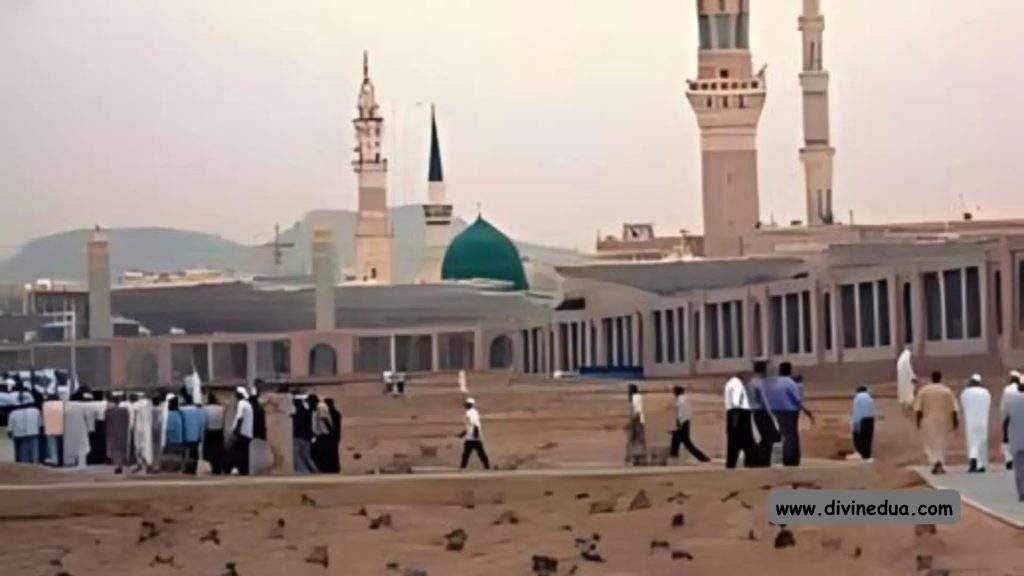
Jannat al-Baqi (Al-Baqi Cemetery): History, Notable Burials, 1925 Demolition & Visiting Guide

Jannat al-Baqi: The Oldest and Most Sacred Islamic Cemetery
There is a piece of land in Madinah that holds more stories of early Islam than any other. It is not a grand mosque or a palace, but a humble, sacred ground known as Jannat al-Baqi (جَنَّةُ البَقِيْع), or “The Garden of Baqi.” Also known as Al-Baqi Cemetery, this is the final resting place for an estimated 10,000 companions (Sahaba) of the Prophet Muhammad (ﷺ), his beloved family members (Ahl al-Bayt), and countless righteous Muslims throughout history.
Located adjacent to the eastern side of Masjid an-Nabawi, Al-Baqi (البقيع) is the oldest and most significant Islamic cemetery in the world. To walk its grounds is to walk amongst the giants of our faith. It is not merely a graveyard, but a living museum of Islamic history and a powerful, silent reminder of the Hereafter.
This guide will take you on a journey through the history, significance, and etiquette of visiting this blessed site, known originally as Baqi al-Gharqad. We will uncover the stories of those who rest within its soil and understand the events that shaped its appearance today, ensuring your visit is one of profound respect, knowledge, and spiritual benefit.
Listen to this article
Press play to start
Who is Buried in Al-Baqi? A Guide to the Notable Interments
One of the most common questions asked by visitors is, “من دفن في البقيع؟” (Who is buried in Al-Baqi?). The grounds of this cemetery are blessed with the bodies of some of the most revered figures in Islamic history. While the exact locations of many graves are no longer marked, historical sources confirm the presence of these notable burials.
The Family of the Prophet (Ahl al-Bayt)
Al-Baqi is the primary resting place for the beloved family of the Prophet Muhammad (ﷺ).
- His Daughters: The graves of three of the Prophet’s (ﷺ) daughters, Ruqayyah, Umm Kulthum, and the leader of the women of Paradise, Fatimah (may Allah be pleased with them all), are located here. The قبور بنات النبي are a central site of reflection for visitors.
- His Grandson: Al-Hasan ibn Ali, the Prophet’s (ﷺ) grandson and the second Imam, is also buried in Al-Baqi.
- Other Relatives: It also includes the graves of the Prophet’s (ﷺ) uncle, Al-Abbas, his aunt, Safiyyah, and many other close relatives.
The Wives of the Prophet (Mothers of the Believers)
With the exception of Khadijah (RA) and Maymunah (RA), all other wives of the Prophet (ﷺ) are buried in Jannat al-Baqi, including Aisha, Hafsa, and Umm Salamah (may Allah be pleased with them all).
The Third Caliph, Uthman ibn Affan (RA)
The grave of the third Caliph of Islam, Dhul-Nurayn (the possessor of two lights), is one of the most significant sites within the cemetery. The قبر عثمان بن عفان في البقيع is a testament to his immense contribution to Islam.
The Imams of Ahl al-Bayt
For centuries, the قبور الأئمة (graves of the Imams) were marked by grand mausoleums before their demolition. Al-Baqi is the resting place for four of the revered Imams of Ahl al-Bayt:
- Imam Ali ibn Husayn (Zayn al-Abidin)
- Imam Muhammad al-Baqir
- Imam Ja’far al-Sadiq
For a more detailed list of the companions and figures buried in the cemetery, you can refer to historical resources and academic databases such as the archives available at Al-Islam.org.
The Demolition of Al-Baqi: The Events of 1806 & 1925
 |
| A rare historical photograph of Jannat al-Baqi, taken before the final demolition of its domes and mausoleums in 1925. Image credit: Wikimedia Commons. |
For over a millennium, Jannat al-Baqi looked vastly different from how it appears today. Numerous historic photos of Baqi and traveler accounts describe a landscape filled with magnificent domes, mausoleums, and shrines built over the graves of the Prophet’s (ﷺ) family and companions, marking them for visitors. However, this landscape was irrevocably altered by two major events in modern history.
This history of Demolition & Controversy is a sensitive but essential part of understanding the cemetery’s current state. The events were driven by a specific theological interpretation that viewed structures over graves as inconsistent with Islamic teachings.
The First Demolition (1806)
In the early 19th century, forces of the First Saudi State, adhering to the Wahhabi movement’s interpretation of Islam, entered Madinah. Based on religious edicts that forbade the veneration of graves and the construction of tombs over them, they leveled the domes and structures in Al-Baqi. These structures remained in ruins for several years until the Ottomans regained control of the region and began a process of rebuilding and restoring many of the mausoleums.
The Second and Final Demolition (1925)
The event that shaped the modern appearance of the cemetery was the second demolition. After the establishment of the modern Kingdom of Saudi Arabia, the new government, following the same religious principles as before, issued orders for the final leveling of all tombs. On the 8th of Shawwal, 1344 AH (April 21, 1925), the mausoleums, domes, and shrines were systematically dismantled, leaving the cemetery as the open, unmarked plain it is today.
The primary سبب الهدم (reason for the demolition) cited was the belief that such structures lead to shirk (polytheism) and excessive veneration of the dead. This act of **هدم البقيع 1925** was met with widespread grief and protest across much of the Muslim world. The historical context and repercussions of this event are documented in various sources, including the detailed historical records on sites like Wikipedia’s entry on Al-Baqi. This event remains a point of deep sorrow and historical contention for many Muslims to this day.
A Pilgrim’s Guide to Visiting Jannat al-Baqi (2025/2026)

A visit to Jannat al-Baqi is a deeply moving experience and a sunnah for anyone visiting Madinah. To ensure your visit is respectful and spiritually beneficial, it is essential to be aware of the correct etiquette and practical details.
Visiting Etiquette (آداب زيارة البقيع)
The primary purpose of visiting a cemetery in Islam is to remember the Hereafter and to make dua for the deceased. The following are the key آداب زيارة البقيع:
- Make Dua for the Inhabitants: The Sunnah is to greet the inhabitants of the cemetery and pray for their forgiveness and mercy. The recommended dua upon entering is:
السَّلَامُ عَلَيْكُمْ أَهْلَ الدِّيَارِ مِنَ الْمُؤْمِنِينَ وَالْمُسْلِمِينَ، وَإِنَّا إِنْ شَاءَ اللَّهُ بِكُمْ لَاحِقُونَ، نَسْأَلُ اللَّهَ لَنَا وَلَكُمُ الْعَافِيَةَ
Transliteration: “As-salamu ‘alaykum ahlad-diyari minal-mu’minina wal-muslimin, wa inna in sha’ Allahu bikum lahiqun, nas’alullaha lana wa lakumul-‘afiyah.”
- Maintain Silence and Respect: Walk calmly and quietly. Avoid loud conversations, laughter, or any behaviour that disturbs the sanctity of the place.
- Reflect on the Hereafter: Use the visit as a powerful reminder of your own mortality and the temporary nature of this life.
- What to Avoid: It is strictly forbidden to wipe the graves, take soil for blessings (tabarruk), or make dua to the deceased themselves. All supplications should be directed to Allah alone. Photography is also generally prohibited.
Visiting Hours (أوقات الزيارة)
The أوقات الزيارة (visiting hours) for Jannat al-Baqi are typically restricted to men only and are usually scheduled for short periods after the Fajr and Asr prayers. The gates are opened for a limited time to allow visitors to enter. However, these timings can change without prior notice based on instructions from the authorities. It is always best to check with the mosque security or official channels upon your arrival in Madinah for the most current schedule.
How to Get There (طريقة الوصول من المسجد النبوي)
The طريقة الوصول من المسجد النبوي is very straightforward due to its close proximity. Jannat al-Baqi is located on the south-eastern side of the Prophet’s Mosque. The easiest way to reach it is by exiting through the gates that are opposite the Green Dome, such as Gate 21 (Bab al-Baqi). Once you exit from these gates and cross the courtyard, you will find the entrance to the cemetery directly in front of you.
The Current Status and Calls for Reconstruction
Today, Jannat al-Baqi remains an open plain with unmarked graves, a stark contrast to its historical appearance. This current state is the subject of significant and ongoing Controversy and deep sorrow for many Muslims worldwide. There are continuous calls from various Islamic groups, particularly from Shia communities and many Sufi-oriented Sunni traditions, for the reconstruction of the shrines and domes to honor the family and companions of the Prophet (ﷺ).
This جدل إعادة البناء (reconstruction controversy) is a major point of modern Islamic discourse. While numerous campaigns and appeals have been made over the decades, the official stance of the Saudi government has remained consistent with the theological interpretations that led to the demolition. As such, the future of Al-Baqi’s landscape continues to be a topic of heartfelt religious and political discussion across the Muslim world.
Frequently Asked Questions about Jannat al-Baqi
Q1: Who are the most notable figures buried in Al-Baqi?
Jannat al-Baqi is the resting place for thousands of the Prophet’s (ﷺ) companions and family members. The most notable figures include his daughters (Fatimah, Ruqayyah, Umm Kulthum), his grandson (Hasan ibn Ali), his wives (except Khadijah & Maymunah), the third Caliph Uthman ibn Affan, and four of the Imams of Ahl al-Bayt (Zayn al-Abidin, al-Baqir, al-Sadiq).
Q2: Why were the domes and shrines in Al-Baqi demolished?
The domes and shrines were demolished in 1806 and again in 1925 based on religious edicts from the Wahhabi movement, which considered the construction of structures over graves to be a form of innovation (bid’ah) that could lead to shirk (polytheism). The official reason was to restore the cemetery to what was believed to be the practice of the earliest generations of Muslims.
Q3: Is Al-Baqi open for visitors now, and what are the visiting hours?
Yes, Al-Baqi is open for visitors, but typically for men only. The visiting hours are usually for a short period after the Fajr and Asr prayers. However, these timings are subject to change, and it is highly recommended to confirm the schedule with the mosque authorities upon your arrival in Madinah.
Q4: Is there an official plan to rebuild the graves in Al-Baqi?
Currently, there is no official plan from the Saudi government to rebuild the domes and shrines in Al-Baqi. While there are continuous calls and appeals from various parts of the Muslim world for its reconstruction, the official stance has remained consistent, and the cemetery remains an open plain. The topic continues to be a subject of religious and political discussion.
Conclusion: A Place of Immense Blessings and Profound History
Jannat al-Baqi is more than just a cemetery; it is a sacred expanse imbued with the history of early Islam, the resting place of thousands who walked alongside the Prophet Muhammad (ﷺ). A visit here is a powerful journey through time, fostering humility, reflection, and a deep connection to the sacrifices and lives of those who laid the foundations of faith.
As you conclude your spiritual journey through its hallowed grounds, remember to carry the lessons of devotion and remembrance. For those seeking to enrich their Madinah experience further, consider extending your pilgrimage to other significant sites like the historic Quba Mosque, the first mosque ever built in Islam, which offers unique spiritual insights and immense rewards.