
Quba Mosque: History, Virtues of Prayer, Architecture & Visiting Guide in Madinah

Quba Mosque: The First Mosque in Islam
Nestled just a few kilometers south of Masjid an-Nabawi in the blessed city of Madinah, stands a beacon of Islamic history and spirituality: Quba Mosque (مسجد قباء). This isn’t just any mosque; it holds the unparalleled distinction of being the first mosque in Islam, built by the hands of the Prophet Muhammad (ﷺ) himself upon his arrival in Madinah after the Hijrah (migration) from Makkah.
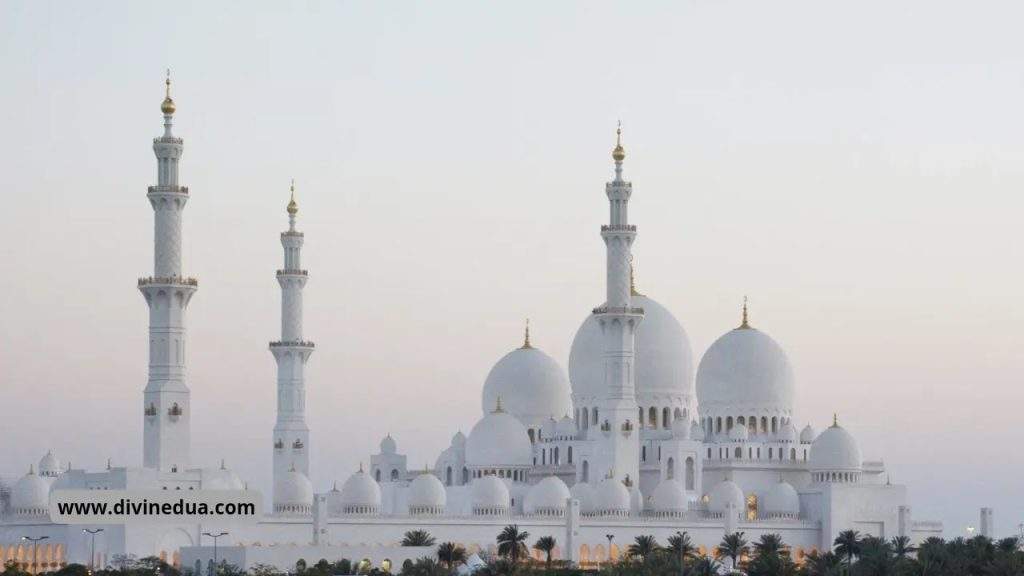
The establishment of Quba Mosque Madinah marked a pivotal moment, symbolizing the foundational principles of the new Muslim community. Its serene white minarets and elegant domes stand as a testament to a divine promise, often linked to the Quranic verse: “…a mosque founded on righteousness from the first day is more worthy for you to stand in.” (Surah At-Tawbah 9:108).
For pilgrims and visitors, Quba Mosque is not merely a historical site but a living testament to faith, a place where prayer carries immense virtues, and a spiritual oasis that resonates with the earliest days of Islam. This guide will take you through its rich history, architectural journey, profound virtues, and provide essential tips for your blessed visit.
Listen to this article
Press play to start
History and Founding: A Prophetic Beginning

The Quba Mosque history is intrinsically linked with the most transformative event in Islamic history: the Hijrah (migration) of the Prophet Muhammad (ﷺ) from Makkah to Madinah. Upon his arrival in Madinah in 622 CE, the Prophet (ﷺ) chose to rest for a few days in Quba, a village located just outside the main city, before making his grand entry.
It was during these crucial days that the foundation of the Prophet Muhammad mosque was laid. The Prophet (ﷺ) himself participated actively in its construction, carrying stones and bricks alongside his companions (Sahaba). This act of collective effort and devotion set the precedent for community building in Islam.
When asked, “When was Quba Mosque built?“, the answer points to this precise moment, making it the very first mosque constructed in the history of Islam. Its initial structure was humble, built simply with mud bricks (laban), palm trunks for columns, and palm leaves for the roof – a reflection of the early Muslim community’s focus on functionality and spirituality over extravagance.
This sacred origin is beautifully encapsulated in the Holy Quran, where Allah (SWT) says:
لَمَسْجِدٌ أُسِّسَ عَلَى التَّقْوَى مِنْ أَوَّلِ يَوْمٍ أَحَقُّ أَنْ تَقُومَ فِيهِ
“…a mosque founded on righteousness from the first day is more worthy for you to stand in.” (Surah At-Tawbah 9:108)
This verse is widely believed by scholars to refer to Quba Mosque, elevating its status as a place built purely on piety and sincere devotion to Allah.
For more detailed historical accounts and information about Quba Mosque, refer to comprehensive Islamic history resources, including Wikipedia’s entry on Quba Mosque.
The Immense Virtues of Praying at Quba Mosque
Beyond its historical significance as the first mosque, Quba Mosque holds a unique and profound spiritual status due to the immense virtues associated with praying in Quba Mosque. It is a place where every act of worship is multiplied, offering pilgrims a special opportunity for immense reward.
The Reward of an Umrah
The most compelling virtue, which draws countless visitors daily, is the promise mentioned by the Prophet Muhammad (ﷺ) himself. He said:
مَن تطهَّر في بيته ثم أتى مسجد قباء فصلّى فيه صلاة كان له كأجر عمرة.
“Whoever purifies himself in his house, then comes to Quba Mosque and prays in it, he will have a reward like that of an Umrah.”
(Narrated by At-Tirmidhi and Ibn Majah, authenticated by Al-Albani)
This powerful hadith about Quba Mosque highlights the extraordinary spiritual benefit. The phrase “reward of praying in Quba Mosque” is not merely symbolic; it signifies a special grace from Allah (SWT) for those who make the effort to visit and pray in this blessed sanctuary. For many, performing two rak’ahs of prayer here becomes a mini-pilgrimage, a spiritual boost that is both accessible and deeply rewarding.
The spiritual meaning of this virtue is profound: it encourages Muslims to not only remember the historical beginnings of Islam but to actively participate in continuing its legacy of worship and devotion. It’s a reminder that even simple acts, performed with sincerity in blessed places, can yield extraordinary blessings.
Location, Architecture, and Modern Expansions
The Quba Mosque location is historically strategic, situated approximately 3 kilometers (about 2 miles) south of Masjid an-Nabawi in Madinah. This short distance from Masjid an-Nabawi to Quba Mosque makes it an easily accessible and popular destination for pilgrims, whether on foot, by taxi, or by local buses.
From Humble Beginnings to Grandeur
As mentioned, the original Quba Mosque architecture was incredibly modest, reflecting the resources and priorities of the early Muslim community. It was a simple structure of mud bricks, palm trunks, and palm fronds. However, over the centuries, as the Muslim empire expanded and resources grew, Quba Mosque underwent numerous phases of renovation and expansion.
The mosque saw significant improvements during the eras of the Rightly Guided Caliphs, the Umayyads, and the Abbasids, each adding to its size and beauty. The most substantial and transformative Quba Mosque expansion in modern times took place during the reign of King Fahd bin Abdulaziz Al Saud. This massive project, completed in 1986, dramatically enlarged the mosque to accommodate over 20,000 worshippers, making it one of the largest mosques in the Kingdom.
Modern Architecture
Today, the mosque stands as a stunning example of Islamic architecture, blending traditional elements with modern design. Its most distinctive features include:
- Four Towering Minarets: Reaching gracefully towards the sky, marking its presence from afar.
- Numerous White Domes: A series of large, elegant white domes crown the main prayer hall, allowing natural light to filter in.
- Courtyard and Arches: The mosque features a spacious central courtyard surrounded by arched porticos, creating a sense of openness and tranquility.
- Exquisite Interior: The interior is adorned with beautiful calligraphy and intricate designs, providing a serene environment for prayer and reflection.
The current design respectfully preserves the historical significance of the site while providing all the modern amenities required for a comfortable and spiritual visit for pilgrims from around the world.
Your Practical Guide to Visiting Quba Mosque

For pilgrims visiting Madinah, performing Quba Mosque ziyarat is not just a recommended act of worship but a cherished spiritual experience. To help you make the most of your visit, here’s a practical guide covering what you need to know.
Visiting Hours (أوقات الزيارة)
Quba Mosque is generally open to visitors daily from early morning until late at night. There are no strict visiting hours that typically close it during the day, making it accessible for most of the day. However, the most recommended and peaceful times for your visit are:
- Early Morning: After Fajr prayer, when the crowds are smaller and the weather is cooler. You might find it beneficial to read about Dua After Fajr to deepen your spiritual experience.
- Afternoon: After Asr prayer until just before Maghrib, which is also a popular time.
Visiting during these times allows for a more serene experience, making it easier to focus on your prayers and reflection.
Etiquette for Your Visit
To maximize the spiritual benefit and show respect for this blessed site, observe the following etiquette:
- Perform Wudu (Ablution) at Home: Following the Sunnah, it is highly recommended to perform your ablution at your accommodation before heading to Quba Mosque. This ensures you receive the full reward mentioned in the Hadith.
- Pray Two Rak’ahs (or More): Upon entering the mosque, offer at least two rak’ahs of optional prayer (Nafl) with the intention of gaining the reward equivalent to an Umrah.
- Maintain Reverence: Keep your voice low, avoid unnecessary chatter, and maintain an atmosphere of humility and devotion.
- Dress Modestly: Ensure you are dressed in modest Islamic attire suitable for a place of worship.
How to Reach Quba Mosque (طريقة الوصول)
The mosque’s close proximity to the Prophet’s Mosque makes how to reach Quba Mosque relatively easy:
- By Taxi: Taxis are readily available outside Masjid an-Nabawi and can take you to Quba Mosque in about 5-10 minutes, depending on traffic. This is a convenient option for groups.
- By Bus: Public transport options and shuttle services are also available, often catering specifically to pilgrims visiting key sites.
- Walking: For those who enjoy walking, it’s a pleasant stroll of about 30-45 minutes from the Prophet’s Mosque, offering an opportunity to experience the city’s surroundings.
Integrating Quba into Your Ziyarah Itinerary
Visiting Quba Mosque is a crucial part of a comprehensive Madinah ziyarah. It is highly recommended to combine your visit to Quba with other significant sites. Many pilgrims plan a trip that includes Quba Mosque, followed by a visit to Jannat al-Baqi (the cemetery adjacent to Masjid an-Nabawi), and then the main prayers at Masjid an-Nabawi itself, creating a spiritually enriching day.
Frequently Asked Questions about Quba Mosque
Q1: What is the first mosque in Islam?
Quba Mosque (مسجد قباء) holds the distinction of being the first mosque ever built in Islam. It was established by the Prophet Muhammad (ﷺ) himself shortly after his migration (Hijrah) to Madinah in 622 CE.
Q2: When was Quba Mosque built, and who participated in its construction?
Quba Mosque was built in 622 CE. The Prophet Muhammad (ﷺ) personally participated in its construction, carrying stones and bricks alongside his noble companions (Sahaba), setting an example of collective effort and devotion.
Q3: What is the virtue of praying in Quba Mosque?
The Prophet Muhammad (ﷺ) said: “Whoever purifies himself in his house, then comes to Quba Mosque and prays in it, he will have a reward like that of an Umrah.” (Narrated by At-Tirmidhi and Ibn Majah). This means performing two rak’ahs of prayer in Quba Mosque after performing ablution at home grants the reward equivalent to a full Umrah pilgrimage.
Q4: How far is Quba Mosque from Masjid an-Nabawi?
Quba Mosque is located approximately 3 kilometers (about 2 miles) south of Masjid an-Nabawi. It is easily accessible by walking (around 30-45 minutes), taxi, or local transport, making it a convenient destination for pilgrims.
Q5: Is Quba Mosque open to non-Muslims?
While the main prayer hall is generally reserved for Muslims, non-Muslims are often permitted to visit the mosque’s courtyards and admire its architecture from the outside, provided they dress modestly and respect the sanctity of the site. It is always advisable to check local regulations or ask at the entrance for clarity.
Conclusion: A Timeless Symbol of Faith and Foundation
Quba Mosque stands not merely as a structure of stone and mortar, but as a timeless symbol of the foundational moments of Islam. It is a living testament to the Prophet Muhammad’s (ﷺ) humility, leadership, and the collective spirit of the early Muslim community. From its humble origins to its current majestic form, Quba Mosque has continuously served as a beacon of guidance and a source of immense spiritual reward.
For every pilgrim who walks through its gates and offers prayer within its sacred confines, Quba Mosque offers a unique connection to the very first steps of Islamic civilization. It is a reminder that great beginnings, though modest, are often rooted in the purest intentions and built upon the strongest foundations of faith and piety.